January & February marked our first two months without any travel plans since our arrival. Thanks to Ben’s commitment to his hockey team here, our weekends have been spent at the ice rink. I love watching him out on the ice, but this decision to travel less was based solely on the hockey schedule 😉 However, after the whirlwind of last year, we have been embracing the rhythm of day-to-day life in Belgium, enjoying the simple pleasures of our surroundings. Not being bound by airport schedules every other weekend has its perks, and Mallow certainly seems relieved to see our suitcases tucked away on a shelf for a change.
Lately, I’ve been reflecting on just how different life is here compared to back home in The States. I’m oftentimes asked if I like living here compared to the US. It’s something that’s been on my mind a lot, and I want to share my thoughts and experiences with you all, no filter. The truth is, I’m starting to realize just how tough it’s going to be when we eventually head back (January 2025). If there was a way to just magically transport all my loved ones here, I’d probably never leave Europe! There’s just something about this place that’s got me hooked, and the thought of saying goodbye is seriously tough to swallow. There is a French word that perfectly describes this feeling…énouement.
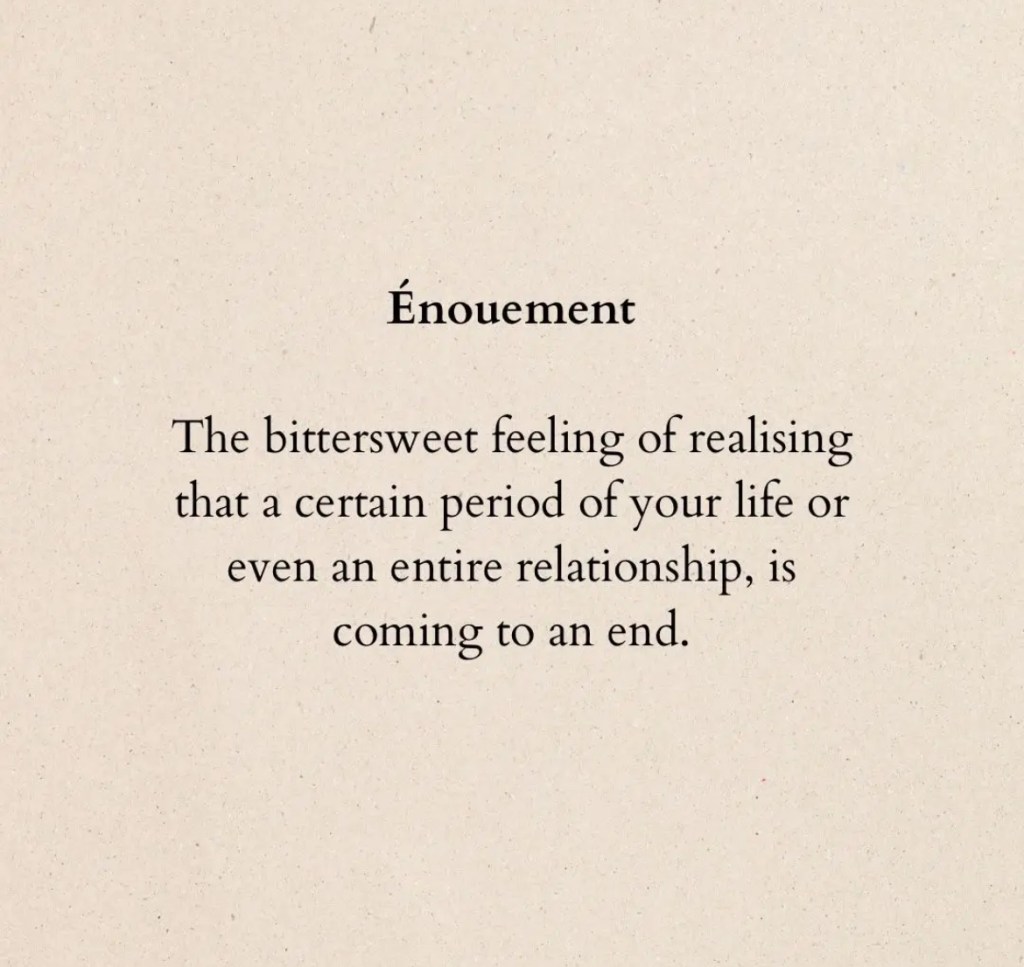
Somewhere along the way, I lost track of the fact that I’m here on a two-year assignment, and it’s time to readjust my mindset. During my time here, I’ve encountered truths about life that have shifted my perspective on how it could—or perhaps should—be lived. While I’m always grateful to be an American and cherish the freedoms my country affords me, I want to share my honest thoughts on the differences I’m experiencing.
Food
In Belgium and throughout Europe, there’s a noticeable difference in the way food is produced compared to America. When I tell you that the produce is more colorful and different sizes and the meat tastes distinctly different I am not joking. Here, you won’t find the same level of reliance on hormones or GMOs that is pumped into our food in America. Drive throughs are rare, unless of course you’re on a road trip. The refrigerators are essentially the size of mini fridges, and the freezers are a drawer or two. Small fridges and limited pantry spaces encourages food to be fresh instead of frozen, and people shop at markets and smaller sized grocery stores.
Back home the phrase “my stomach hurts” was used all too often in our household. We had to make efforts to eat healthier to not have stomach pain, but the food here is naturally better for us. To give you an example…my MIL is gluten and dairy free. She maintains a regimented diet but when she comes to visit, she can eat ANYTHING she wants. In Europe, gluten processing adheres to stricter regulations and standards. European wheat varieties typically contain lower levels of gluten compared to American wheat varieties, which may contribute to differences in how gluten is processed and tolerated. European food laws often impose tighter restrictions on additives and processing techniques; overall, European food practices often prioritize transparency and quality. Our food back home is poisoned and there is basically nothing we can do about it. If you’re interested, check out this article about 10 hazardous additives that are banned in Europe but completely legal in the US….
All of this directly correlates to the obesity rates in America. According to the National Institute of Diabetes and Digestive and Kidney Diseases
- Nearly 1 in 3 US adults (30.7%) are overweight.
- More than 2 in 5 US adults (42.4%) have obesity (including severe obesity).
- About 1 in 11 US adults (9.2%) have severe obesity.
So when you see our backyard turned completely into a garden and I bring you fresh fruit/veggies every time I come over, don’t think I’m crazy!
Sustainability
Belgium has extensive waste sorting and recycling programs, with high rates of recycling across the country. The government incentivizes waste reduction and recycling through policies such as waste taxes and landfill bans on certain materials. We are obligated to sort our waste by:
- Glass
- Paper and cardboard
- PMD waste
- GFT and organic waste
- Small hazardous waste
- Old and expired medications
- Building waste and rubble
- Reusable textiles
- Discarded electrical and electronic appliances

We have five different containers in our apartment (blue bag is plastics, first white bag is residual waste, second white bag is garden waste, yellow bag is paper and cardboard, & orange bag is food waste) and we have a public glass waste bin on our street where you deposit clear glass and colored glass separately. According to the US Environmental Protection Agency in Nov 2023, only 32% of America recycles. Seriously, are you kidding me? If you’re not recycling, I urge you to reconsider because each of us has a personal responsibility to care for our planet.
Additionally, Belgium has made significant investments in renewable energy sources such as wind, solar, and biomass. This country also prioritizes public transportation and urban planning strategies that promote sustainability, such as pedestrian-friendly city centers, efficient public transit networks, and infrastructure to support biking to work. Brussels has also implemented car-free zones and bike-sharing programs to reduce traffic congestion and emissions. My company offers an electric bike leasing program which has resulted in many employees coming to work by bike! It’s little changes like these that can make a big difference in the fight against climate change.
Another cool thing is that every year, my company gives each employee a 250 euro eco voucher. Eco vouchers are a form of payment used in Belgium to promote environmentally friendly purchases. These vouchers are provided by employers as a benefit to employees and can be used to purchase eco-friendly products and services, such as energy-efficient appliances, public transportation passes, organic food, and eco-friendly home improvement items. The Belgian government introduced eco vouchers as a way to encourage sustainable consumption and support businesses that offer environmentally friendly products and services. This system not only encourages individuals to be more sustainable in their purchasing habits but also provides them with the means to do so. Amazing!
Work/Life Balance
Work-life balance in Belgium is highly valued and prioritized, with ample vacation time, flexible working hours, and a strong emphasis on family life. Belgian workers typically enjoy generous annual leave entitlements. If you’re wondering how I travel so much 😉 it’s because the EU mandates that every employee is entitled to at least four weeks (i.e. 20 days on a full-time basis) of paid annual leave. Additionally, my organization offers 12 WTC days which are accrued throughout the year. Since I’ve entered my 5th year with Komatsu, I also received 1 extra seniority day. This doesn’t even include public holidays!!! Typically June/August is known as the holiday period, with people escaping to Italy for 2-3 weeks (or whatever country they prefer but I swear everyone’s always going to Italy!)
Additionally, many companies offer flexible working arrangements, such as telecommuting and part-time options, to accommodate employees’ personal needs and commitments. Belgians place a high value on spending quality time with family and friends, and there is a cultural expectation of maintaining a healthy balance between work and leisure activities. We have a huge coffee culture, with 10-15 minute coffee breaks to encourage collaboration and to get to know your colleagues. There’s also organized sports and activities after work. The working days are long though, many people often don’t leave the office until 6pm. Overall, the work-life balance in Belgium is characterized by a commitment to both professional success and personal well-being.
Safety
Safety is a topic close to my heart, and it’s one that’s been on my mind a lot since moving out of America. The sense of psychological safety I’ve experienced here in Belgium has been a stark contrast to what I grew accustomed to back home. One significant factor contributing to this sense of security is Belgium’s strict regulations regarding firearms. (Don’t get me wrong, I am not anti-gun…however I believe there should be regulations) Guns are generally not allowed for civilian possession. Pepper spray is even illegal (which I think is crazy). This means that incidents involving weapons are far less common, and there’s a tangible feeling of safety in everyday life. Most likely, the worst thing you will experience is getting a knife pulled on you.
The most important thing in my eyes is that parents can send their children to school safely without the fear of gun violence. We’re only in the 3rd month of 2024, and The US has already had 16 school shootings. Truthfully, what’s more important than our children? Not to mention, road rage incidents don’t escalate into fatal shootings (which everyone likes to mention when I tell them I’m from Chicago). I’m not fearful in crowds whereas I use to have extreme anxiety about mass shootings. And let’s not forget the prevalence of violence against women, which sadly remains a serious issue in many parts of the world. The fact that women can’t even feel safe running on trails in broad daylight on college campuses in America without the fear of being assaulted or worse is a stark reminder of the ongoing challenges we face in terms of safety and security. So, when I talk about feeling safer here in Belgium, it’s not just a matter of personal comfort—it’s a reflection of the tangible differences in safety measures and societal norms that contribute to a more secure environment for everyone.
Parenthood
Let me begin by stating that 186 countries in the world provide paid maternity leave and health benefits by law; the US is one of seven countries with no national paid leave. Make it make sense????

On a global scale, the average paid maternity leave is 29 weeks; the average paid paternity leave is 16 weeks. Here in Belgium, working mothers are entitled to 15 weeks of paid maternity leave. This leave is paid by the government, so it also applies to self-employed mothers. Salaried and self-employed fathers and co-parents are currently entitled to 20 days of fully-paid paternity or birth leave. Another perk for working parents in Belgium is the option to adjust their work schedule to better accommodate family commitments. For instance, many parents can apply to work at a prorated level, adjusting their hours to fit their family’s needs.
Here’s a real-life example: Schools in Belgium have half days on Wednesdays. So, if a parent’s child has this midweek break, they might adjust their work schedule accordingly. My boss has a young daughter and values spending time with her, especially on Wednesdays. Her work contract was modified to 90%, meaning she works 90% of the standard hours and receives 90% of her paid days off. Despite this adjustment, she still holds a significant role within the company. This flexibility allows her to strike a balance between her career aspirations and her family commitments without having to sacrifice one for the other. This shift in mindset reflects a broader trend towards flexible work arrangements and a recognition of the value that individuals with diverse lifestyles and responsibilities bring to the workplace. Ultimately, it’s about redefining what success looks like and embracing a more inclusive approach to career advancement that accommodates the diverse needs of employees, including working parents.
My company in the US offers 6 weeks paid leave for natural births and 8 weeks paid leave for C-sections; in 2022, I helped implement a policy for 2 weeks paid for fathers. So you’re telling me that if I give birth naturally, I should leave my baby and return to work after 1.5 months? In no way is that natural…for the baby or the mother. Additionally, the standard for higher-level leadership positions typically mandates full-time employment. Part-time roles are typically capped at 50%, and individuals aspiring to top-tier leadership positions are generally expected to commit to full-time work. The option to work at 90% capacity (or 70%, 80%) isn’t even an option for these roles.
Reflection
Okay, so I might have come off a bit harsh on the US, but hear me out—it’s all part of this eye-opening experience of discovering how differently people live around the world compared to what I’ve known growing up. While Belgium is definitely smaller than the US, a lot of what I’ve observed here applies to the broader European Union, which comprises 27 diverse countries.
That’s not to say that there aren’t downsides….
- First of all, the sun BARELY shines here and we get lots of rain
- Salaries in Europe tend to be much lower, and tax rates are definitely higher. To put it in perspective, starting salaries for university graduates in Belgium average 2000 euros net per month (approximately $2,189). Plus, Belgium’s progressive tax system means the more you earn, the more you’re taxed, with rates ranging from about 25% to a hefty 50%. If you earn 46,440 euros annually (about $50,849), you are paying 50% in taxes. Keep in mind that those taxes do include healthcare and university education…but that is still super high
- Restaurant substitutions and alterations don’t exist here and I miss that in American you can basically have anything your way
- They don’t celebrate Thanksgiving (for obvious reasons) but they’re missing out because it is the best holiday!!!! Halloween is also not popular here
- Air conditioning is rare which means the summers are HOT (& stinky)
- You essentially have to have a university degree and speak at least 2 languages to get a white collar job whereas the US has a strong culture of fostering entrepreneurial spirit and encouraging innovation
I also recognize there are some adjustments I can make when returning home that are within my control, like cultivating a healthier lifestyle by growing more natural foods or shopping organically. But when it comes to bigger societal issues like shootings or the lack of paid maternity leave, it’s a different story. That feeling of helplessness can be overwhelming at times. I know it seems dramatic like “calm down Liv this was only for two years” but this is my LIFE I’m talking about.
Cue the deep sigh and maybe a few tears. I’m incredibly grateful for this experience, but the thought of moving back is bittersweet. I hope that you can understand that a little bit more after reading this & support me with the transition next year. But for now, I’ll try to push these thoughts off and enjoy every last second here!!!
 Life with Liv
One response to “Life in Europe compared to America”
Dearest Liv,
You are such a great writer.
LikeLike